 Dr. R. C. Sproul: In 1966, I was teaching a freshman college course of 250 students and assigned three 5–8 page papers that would be due over the course of the semester on October 1, November 1, and December 1.
I told the students that unless there is a death or they were are in the infirmary, then they would get an F if not turned in on time. When the first paper was due, 225 students turned in the paper and twenty-five did not have them ready.
The twenty-five begged for leniency because they said they were unprepared for college life.
I gave it and said, “’Don’t do it again.”
On the next due date, November 1, fifty students came without their papers and begged for grace because of homecoming.
I said, “Okay,” and gave them an extension.
That made me very popular until December 1.
One hundred students did not have their papers and said, “Don’t worry Professor Sproul, we’ll have them to you in a few days.”
I began marking those students down. Suddenly, they all said, “That’s not fair.”
I pointed to one student who had a late paper in November and December and I said, “Oh Johnson, it is justice that is what you want. Your paper was late in November, I’ll go and mark it an F.”
Complaints about fairness stopped immediately.
When we first receive grace, we are overwhelmed. The second time we get grace, we take it for granted. The third time we fail, we demand grace. The first time we demand grace, a bell should go off in our heads. God never owes me grace, and He never owes you grace.

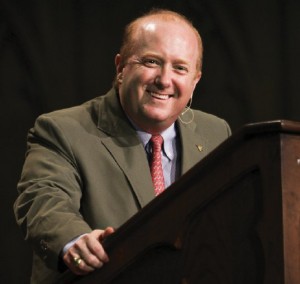 Earlier today, Dr. R. C. Sproul, Jr taught a message at a Ligonier Conference entitled, “Lord of Space and Time.” Here’s an excerpt of notes made: