
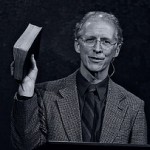
 We are Christians. Radical, full-blooded, Bible-saturated, Christ-exalting, God-centered, mission-advancing, soul-winning, church-loving, holiness-pursing, sovereignty-savoring, grace-besotted, broken-hearted, happy followers of the omnipotent, crucified Christ. At least that’s our imperfect commitment.
In other words, we are Calvinists. But that label is not nearly as useful as telling people what you actually believe! So forget the label, if it helps, and tell them clearly, without evasion or ambiguity, what you believe about salvation.
If they say, “Are you a Calvinist?” say, “You decide. Here is what I believe….”
I believe I am so spiritually corrupt and prideful and rebellious that I would never have come to faith in Jesus without God’s merciful, sovereign victory over the last vestiges of my rebellion. (1 Corinthians 2:14; Ephesians 2:1–4; Romans 8:7).
I believe that God chose me to be his child before the foundation of the world, on the basis of nothing in me, foreknown or otherwise. (Ephesians 1:4–6; Acts 13:48; Romans 8:29–30; 11:5–7)
I believe Christ died as a substitute for sinners to provide a bona fide offer of salvation to all people, and that he had an invincible design in his death to obtain his chosen bride, namely, the assembly of all believers, whose names were eternally written in the book of life of the Lamb that was slain. (John 3:16; John 10:15; Ephesians 5:25; Revelation 13:8)
When I was dead in my trespasses, and blind to the beauty of Christ, God made me alive, opened the eyes of my heart, granted me to believe, and united me to Jesus, with all the benefits of forgiveness and justification and eternal life. (Ephesians 2:4–5; 2 Corinthians 4:6; Philippians 2:29; Ephesians 2:8–9; Acts 16:14; Ephesians 1:7; Philippians 3:9)
I am eternally secure not mainly because of anything I did in the past, but decisively because God is faithful to complete the work he began—to sustain my faith, and to keep me from apostasy, and to hold me back from sin that leads to death. (1 Corinthians 1:8–9; 1 Thessalonians 5:23–24; Philippians 1:6; 1 Peter 1:5; Jude 1:25; John 10:28–29; 1 John 5:16)
Call it what you will, this is my life. I believe it because I see it in the Bible. And because I have experienced it. Everlasting praise to the greatness of the glory of the grace of God!
– John Piper, from the Desiring God blogsite.
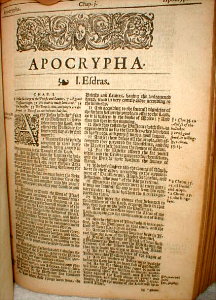 You may have wondered why the Roman Catholic Church includes books in their “canon” that are not in our Protestant Bibles. They include books written in the Intertestamental Period (the 400 years between Malachi and Matthew in our Bibles). These are known as The Apocrypha.
 Continued from part 3 27 in the New, over a period of about 1,500 years. So how is it that all these 66 books ever got together in the Bible?