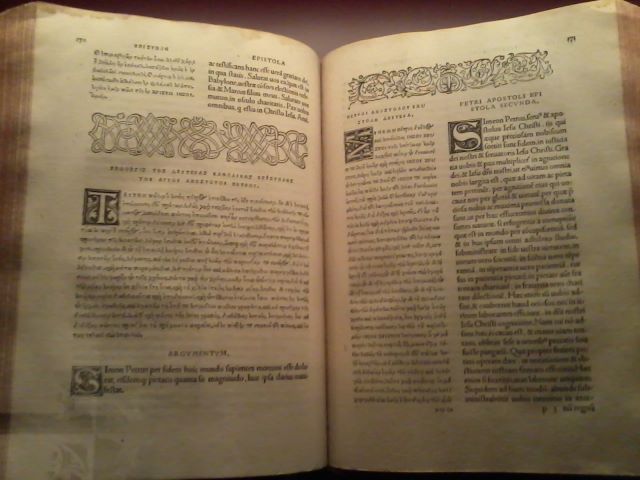
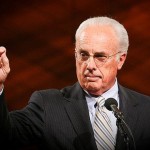
 Sola Scriptura is the doctrine that Scripture is the sole infallible rule of faith for the people of God. Here’s a quote from Dr. John MacArthur, adapted from his contribution to “Sola Scriptura: The Protestant Position on the Bible”:
“The Reformation principle of sola Scriptura has to do with the sufficiency of Scripture as our supreme authority in all spiritual matters. Sola Scriptura simply means that all truth necessary for our salvation and spiritual life is taught either explicitly or implicitly in Scripture. It is not a claim that all truth of every kind is found in Scripture. The most ardent defender of sola Scriptura will concede, for example, that Scripture has little or nothing to say about DNA structures, microbiology, the rules of Chinese grammar, or rocket science. This or that “scientific truth,” for example, may or may not be actually true, whether or not it can be supported by Scripture—but Scripture is a “more sure Word,” standing above all other truth in its authority and certainty. It is “more sure,” according to the apostle Peter, than the data we gather firsthand through our senses (2 Peter 1:19). Therefore, Scripture is the highest and supreme authority on any matter on which it speaks.
But there are many important questions on which Scripture is silent. Sola Scriptura makes no claim to the contrary. Nor does sola Scriptura claim that everything Jesus or the apostles ever taught is preserved in Scripture. It only means that everything necessary, everything binding on our consciences, and everything God requires of us is given to us in Scripture (2 Peter 1:3).
Furthermore, we are forbidden to add to or take away from Scripture (cf. Deut. 4:2; 12:32; Rev. 22:18–19). To add to it is to lay on people a burden that God Himself does not intend for them to bear (cf. Matt. 23:4).
Scripture is therefore the perfect and only standard of spiritual truth, revealing infallibly all that we must believe in order to be saved and all that we must do in order to glorify God. That—no more, no less—is what sola Scriptura means.”
“The whole counsel of God, concerning all things necessary for his own glory, man’s salvation, faith, and life, is either expressly set down in scripture, or by good and necessary consequence may be deduced from scripture: unto which nothing at any time is to be added, whether by new revelations of the Spirit, or traditions of men.” — Westminster Confession of Faith

 I took the few minutes needed to read this sermon today. It did my heart much good.