
 Dr. Arturo G. Azurdia III is Associate Professor of Pastoral Theology and Director of Pastoral Mentoring at Western Seminary in Portland , Oregon. He recently established a new church plant in Portland, Oregon which is called Trinity Church, where he is Senior Minister of Word and Worship.
So Great A Salvation
The following is a series of lectures/sermons on the doctrines of grace (AKA The five points of Calvinism) which Dr. Azurdia recently completed in his Wednesday evening chapel meetings.
To download MP3, click link and save to your hard drive.
The Human Dilemma
What a piece of work is a man, created in God’s image but marred with sin through and through. Sin has spread to every member of the human race, infected every facet of your humanity, and rendered you unable to respond to God in a positive fashion. The salvation of any human being is the consequence of the grace of God. Since you can’t and won’t seek God, He must come seeking you.
God’s Sovereign Choosing
On what basis does God choose people for salvation? Ultimately, salvation is of the Lord. The Scriptures teach that God chooses us on the basis of His sovereign will, which is a cause for praise according to Jesus. The Father chose us in Jesus before the foundation of the world according to the purpose of His will to the praise of His grace.
The Intentional Atonement Of Jesus Christ
What did Jesus mean when He said, “It is finished?” How do you limit the atonement? You either have an atonement of ultimate value or one of universal extension. Any honest reading of the Bible will not let you limit the significance of what was actually accomplished at the cross. For efficacy is tied to particularity, not to potentiality.
The Grace That Overcomes
Why do some people respond positively to the gospel while others persistently refuse it? Maybe a better question is why does anybody ever respond to the gospel. The answer is overcoming grace.
Perseverance And Preservation
Is it possible for a genuine Christian to forfeit God’s gift of salvation? This is certainly a question frequently asked because most Christians have known someone who once seemed zealous for Jesus, but later abandoned the faith. The Bible teaches that true believers must and will persevere because God preserves them in the faith.
So Great A Salvation Series Q & A
Questions and Answers on this series with Pastor Art Azurdia.
So Great A Salvation Series Q & A (Part 2)
Part two of Questions and Answers on this series with Pastor Art Azurdia.
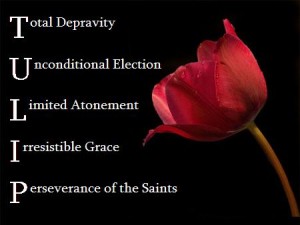 This short article by Justin Taylor made me laugh. It contains some helpful and useful material, but I just saw the funny side of the historic TULIP acrostic suffering a massive regressive evolution of sorts and becoming WUPSI: