
 Chapter 2 of my new book “Twelve What Abouts…” available in eBook and paperback.
In the early verses of John chapter 3, Jesus tells Nicodemus in no uncertain terms, the absolute necessity of being born again (or born from above). Unless a man is first born again (regenerated, made alive spiritually) he can never enter or even see the kingdom of God. Jesus stresses the fact that this new birth is not merely an optional extra. It is imperative. Jesus said, “You must be born again.” (3:7)
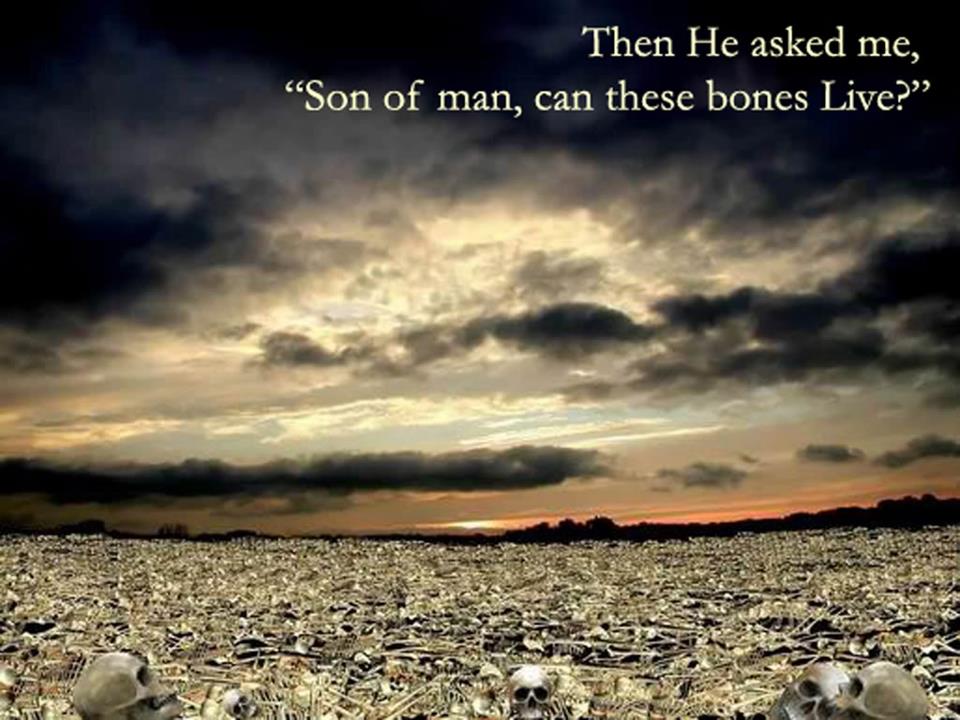
Jesus didn’t tell Nicodemus what he must do to be born again. That is because it was not within Nicodemus’ power to perform this miracle. “That which is born of the flesh is flesh, and that which is born of the Spirit is spirit.” (John 3:6) Flesh can only reproduce flesh. It takes the Spirit to regenerate the human spirit. This miracle of regeneration cannot be achieved by human effort or by self-performed surgery.
The new birth is not the improvement of the old nature, but the creation of an entirely new one. It is a birth, a new birth, and like the first one we experienced, it did not occur because of our decision to be born. Our will was not a factor in any way. We were born as a result of the will of others – that of our parents, and of course, God’s will to create us using the means of human, physical intimacy.
In contrast to our first birth, this new birth does not occur through human means. God alone brings about this new creation in Christ Jesus. As John, the Gospel writer had already pointed out in chapter 1:12, 13, “But to all who did receive him, who believed in his name, he gave the right to become children of God, who were born, not of blood nor of the will of the flesh nor of the will of man, but of God.”
Jesus makes it clear that human flesh can only reproduce flesh. It is the Holy Spirit alone who can recreate human spirits. The Holy Spirit is the sole Agent working regeneration in the human spirit.
In explaining this phenomenon of the new birth, Jesus then speaks of something very mysterious – the wind. Wind is mysterious, not because it is not real, but because it is not something we’ve ever actually seen. Though we know when it is around because of its effects, we’ve never actually observed wind with our eyes. Oh, we’ve seen trees swaying, leaves falling, papers flying through the air. Sometimes the effects of the wind are so powerful that the only word we can use for its effects would be “devastation.” The wind can cause havoc on a massive scale, as the victims of hurricanes can testify. But wind is mysterious because we cannot see it and we are never sure about where it came from or where it is going. It seems to have a mind of its own.
Concerning this, Jesus said, “The wind blows where it wishes, and you hear its sound, but you do not know where it comes from or where it goes. So it is with everyone who is born of the Spirit.” (John 3:8)
The word “pneuma” in Greek, like the word “ruach” in Hebrew means “breath, wind or spirit.” Jesus uses an obvious play on words here, describing the activity of the Holy Spirit in regeneration.
Of course, much more could and should be said about these opening verses in John chapter 3. But just for a moment, can we stop to appreciate the impact of verse 8? Here Jesus teaches us that when anyone is born of the Spirit, like the blowing of the wind, the invisible Sovereign Spirit of God has moved in mighty power. Yet in contrast to when a town or city experiences storm damage on a large scale, the effects of this “wind” are not in any way negative. Though powerful in the extreme, the Spirit’s work is amazingly precise.
Continue reading
 Question: How can you reject free will? Does not Moses say to the Israelites “Therefore choose life, that you and your offspring may live?” (Deut 30:19)
 This means that spiritual circumcision was not given to all physical descendants of Abraham but to the children of promise in their midst. The rest were commanded but refused to obey. Some get mercy but the rest get justice.
 by Don Kistler