
 ‘But these brethren of ours, about whom and on whose behalf we are now discoursing, say, perhaps, that the Pelagians are refuted by this apostolical testimony in which it is said that we are chosen in Christ and predestinated before the foundation of the world, in order that we should be holy and immaculate in His sight in love. For they think that “having received God’s commands we are of ourselves by the choice of our free will made holy and immaculate in His sight in love; and since God foresaw that this would be the case,” they say, “He therefore chose and predestinated us in Christ before the foundation of the world.” Although the apostle says that it was not because He foreknew that we should be such, but in order that we might be such by the same election of His grace, by which He showed us favour in His beloved Son. When, therefore, He predestinated us, He foreknew His own work by which He makes us holy and immaculate. Whence the Pelagian error is rightly refuted by this testimony. “But we say,” say they, “that God did not foreknow anything as ours except that faith by which we begin to believe, and that He chose and predestinated us before the foundation of the world, in order that we might be holy and immaculate by His grace and by His work.” But let them also hear in this testimony the words where he says, “We have obtained a lot, being predestinated according to His purpose who worketh all things.” He, therefore, worketh the beginning of our belief who worketh all things; because faith itself does not precede that calling of which it is said: “For the gifts and calling of God are without repentance;” and of which it is said: “Not of works, but of Him that calleth” (although He might have said, “of Him that believeth”); and the election which the Lord signified when He said: “Ye have not chosen me, but I have chosen you.” For He chose us, not because we believed, but that we might believe, lest we should be said first to have chosen Him, and so His word be false (which be it far from us to think possible), “Ye have not chosen me, but I have chosen you.” Neither are we called because we believed, but that we may believe; and by that calling which is without repentance it is effected and carried through that we should believe. But all the many things which we have said concerning this matter need not to be repeated.’
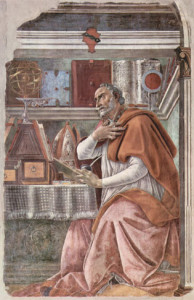
— St. Augustine
 by Dr. David Murray